
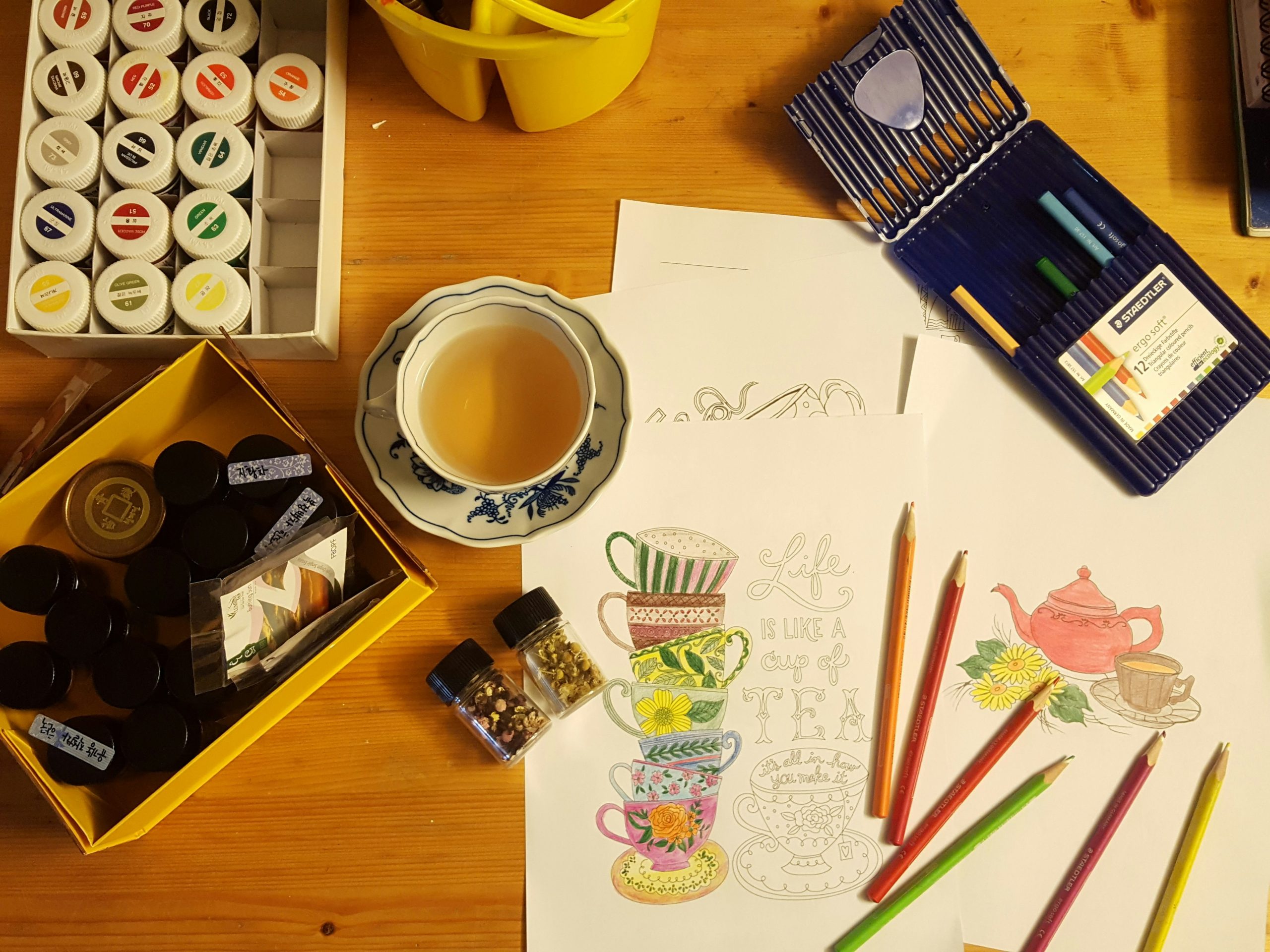
Turning a hobby into a business is one of the most exciting but challenging ventures you can undertake. Many people have a passion, whether it’s crafting, coaching, baking, or design; and dream of making it their livelihood. Yet, knowing how to start a business from scratch involves more than enthusiasm; it requires planning, market insight, legal structure, funding, and continual growth. Below is a practical, readable guide built to serve both search engines and readers, especially those looking to move from idea to income.
What does it mean to start a business from scratch and why does it matter?
Starting a business from scratch means you begin with little or no existing infrastructure, minimal funding, and often just your idea and passion. For someone turning a hobby into business, you’re building the foundation rather than buying into a franchise or taking over an established company. This path matters because it gives you full creative control, allows you to align your work with your purpose, and lets you shape the brand from the ground up. But it also means you’ll handle all the preparation: validating the idea, finding your audience, designing the product or service, and navigating the legal and financial side.
How do you validate your hobby as a business idea?
Before investing time and money, you need to ask whether your hobby can really translate into a viable business. The first stage is idea validation—identifying whether there’s a genuine problem or need your hobby addresses. Authoritative sources advise that you “find a need” rather than simply chase a product idea.
Market research plays a key role. According to the U.S. Small Business Administration (SBA), conducting market research is the first of their “10 steps to start your business.” SBA
In practical terms: talk to potential customers, review existing solutions, observe competitors, and refine what makes your offering unique. The goal is to ensure your hobby-turned-business solves a problem, meets a genuine demand, and differentiates from others.
What does writing a business plan from scratch involve?
Once you’ve validated the idea, you need a roadmap. Writing a business plan is the foundation of launching and growing your business. Your business plan is how you map out structure, how you’ll run operations, and how you’ll grow over time.
Key elements to include: your value proposition: what makes your business different, target market, sales and marketing strategy, operating model (how you’ll deliver your product or service), startup and operating costs, projected financials, and your milestone schedule.
In the context of turning a hobby into a business, you’ll also want to describe how your hobby skills become a service or product, and how you will transition into branding, pricing, production, and customer service instead of a purely passion-project mindset.
How should you plan your finances and funding when starting from scratch?
Finances often determine whether your new venture succeeds or struggles. Articles highlight that starting a business requires you to assess your finances, calculate startup costs, and decide how you will fund operations until you become profitable.
If your hobby has minimal overhead (e.g., online coaching, digital design, handmade goods with low inventory), you might bootstrap—fund it yourself with savings or small loans, reinvesting early profit. The concept of “bootstrapping” is popular for new businesses built from scratch.
If startup costs are higher; equipment, space, inventory, you might need to explore other funding: small business loans, grants, or crowdfunding. The SBA’s guide also emphasizes making key financial decisions early.
Importantly, track expenses carefully, don’t overspend on non-essentials, and build financial projections. To include a realistic path to break-even and profit.
Which legal structure and registration steps do you need to take from scratch?
Even if you’re starting part-time from a hobby, you’ll eventually need to formalize the business so you’re compliant and protected. important steps are choosing your business structure (sole proprietorship, limited liability company (LLC), corporation, etc.), registering your business name, obtaining tax IDs, and applying for necessary licenses and permits.
For many hobby-to-business transitions, forming an LLC early can protect personal assets and provide a professional image. You’ll also need to open a business bank account and keep separate business finances. These steps turn your passion into a legitimate business entity ready to scale.
How do you establish your brand, market your hobby-turned-business, and acquire customers?
Once you’ve laid foundational work, you’re ready to build the visible side of your business: brand identity, customer outreach, marketing, and sales. Experts recommend starting with your target audience and tailoring your messaging to them—“knowing your audience” is a recurring tip for building from scratch. Your brand should reflect your hobby’s unique value and the problem it solves. Use digital channels: a website, social media, email list. Create content to educate and engage your audience. Then offer your product or service, collect feedback, refine it, and build momentum.
Marketing isn’t just promotion—it’s storytelling: “why did I start this? what makes it special? how does it improve the customer’s life?” Use testimonials, early reviews, referral incentives, and possibly local networking if your business has a physical element.
Launching can be done on a small scale at first (minimum viable product: MVP) and then scaled. Foundr’s roadmap recommends launching an MVP before fully scaling.
What hurdles should you anticipate and how can you overcome them?
Even the best hobby-to-business journeys face obstacles. Common challenges include lack of market demand, under-capitalization, not differentiating enough, weak planning, and being slow to adapt.
Here are a few practical tips to mitigate risks:
- Don’t wait until perfect—launch with an improved idea, iterate. The longer you wait, the more external conditions may change.
- Keep your day job or hobby income source until the business shows signs of sustainability.
- Track metrics: those might include number of leads, conversion rate, cost per customer, revenue per customer, customer retention.
- Reinvent and pivot if needed: listen to customer feedback and adjust your product or service accordingly.
- Manage your finances with discipline: avoid major debt, keep an emergency reserve, and only spend on growth when revenue supports it.
- Build your network: meet other entrepreneurs, join relevant associations, attend events. Networking can open partnerships, ideas, and customer leads.
How do you scale your business from hobby-level to profit-level?
Once you’re successfully operating your business, the next phase is growth: moving from being a one-person hobby to a profitable enterprise. This might mean streamlining production, delegating tasks or outsourcing, creating systems, automating marketing, and expanding offerings.
You’ll revisit your business plan and update it as conditions change. According to SBA guidance, the business plan is a “living document” you should return to and revise. SBA
Also consider how you will scale: Do you take on more clients? Expand your product line? Enter new markets? Invest profits back into the business? Monitor cost-per-acquisition and profitability.
Growth with a clear foundation means your hobby-turned-business stays sustainable, professional, and able to deliver consistent value and profit.
What mindset and habits support turning passion into profit?
Beyond mechanics and strategy, mindset matters heavily when you’re building from scratch. Treat your hobby as a business: that means showing up, setting goals, being disciplined, and being willing to learn business skills (even if your hobby is creative).
The entrepreneur mindset also means accepting uncertainty, embracing iteration, continually learning, and being ready to change course. Research into “maker entrepreneurs” notes many makers are skilled creatives first and business operators second—and this transition takes intentional skill development.
Set short-term, medium-term, and long-term goals. A good tip is to use “semester” or quarterly goals, as suggested by entrepreneurs.
Celebrate small wins: your first paying client, your first repeat customer, your first profit month. These milestones build momentum and confidence.
How do you tie your hobby-business back to your bigger “why”?
Finally, remember the emotional core: your passion. When you started this, your hobby likely brought you joy, meaning, or a sense of purpose. By turning it into a business, you have a chance to share that passion, to build something you love, and to help others.
Keeping that “why” front and center helps you stay motivated during tough times, differentiates you in the market, and connects you with customers at an emotional level. One article quotes business builders asking, “what is the purpose of your business?” and “who are you selling to?” early in their journey. Business News Daily
By aligning your business with your personal purpose, you give your venture deeper significance—and that can fuel better branding, stronger customer loyalty, and more enjoyment (not just profit).