
Running a business means wearing many hats, and tax season often exposes the cracks in even the most dedicated operation. Small business tax mistakes rarely happen because owners are careless. They happen because tax rules are complex, time is limited, and many decisions feel harmless in the moment. Unfortunately, those small decisions can quietly erode profits, trigger penalties, or create long-term compliance issues.
Small business tax mistakes tend to compound over time. One missed classification or overlooked form can affect future filings, distort financial clarity, and increase audit risk. Understanding where businesses go wrong is the first step toward building a stronger financial foundation and protecting what you work so hard to earn.
Why do small business tax mistakes happen so frequently?
Small business tax mistakes happen because business owners are focused on survival, growth, and daily operations. Taxes often feel like a once-a-year obligation rather than a year-round system that requires structure and awareness. When bookkeeping, payroll, and expenses are handled reactively, errors slip in unnoticed.
Another reason mistakes are common is that many owners rely on software alone without understanding the underlying rules. Software records data, but it does not validate business intent, classification accuracy, or strategic timing. Without guidance, small inconsistencies can quietly turn into costly tax problems.
How does poor recordkeeping create tax problems?
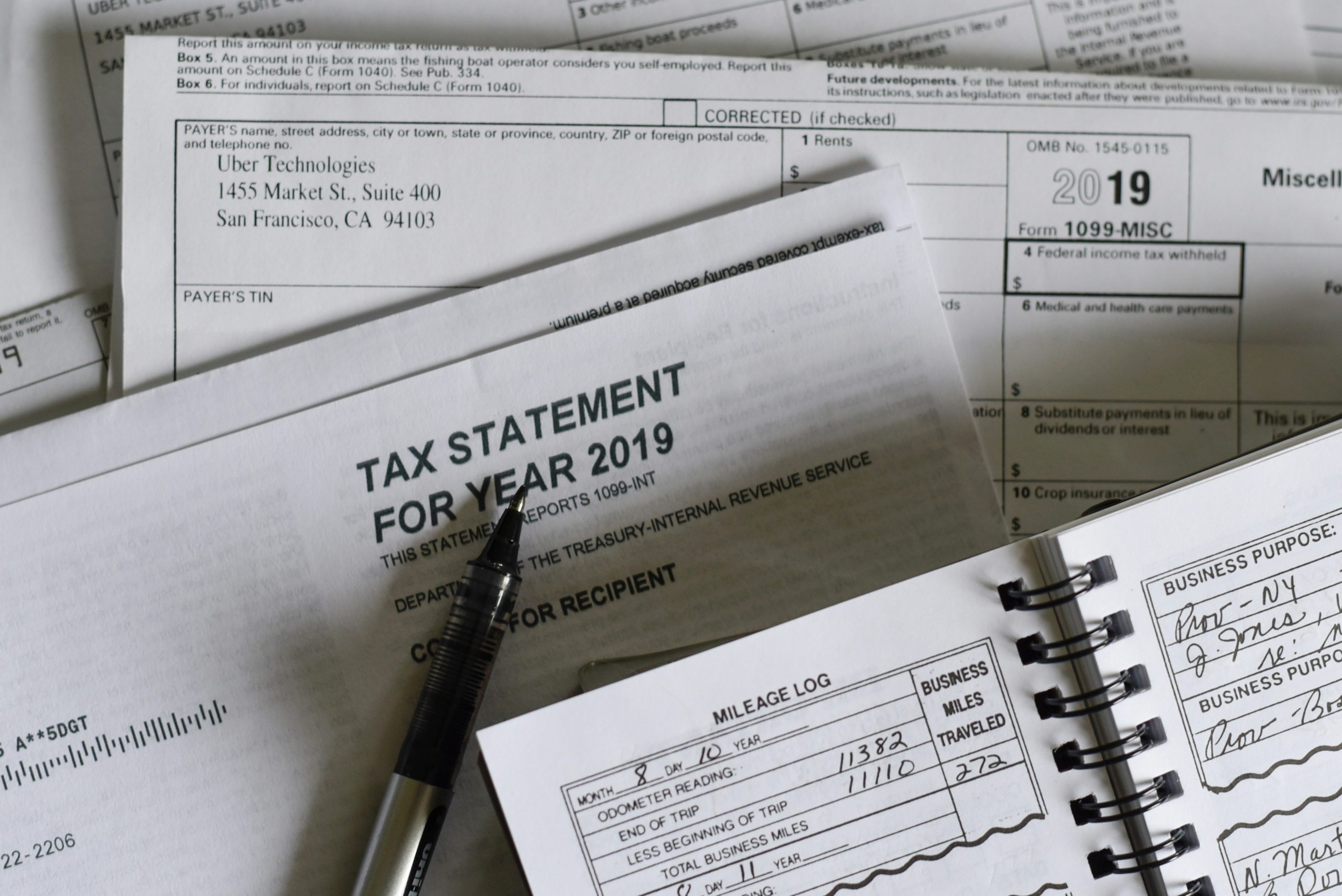
Poor recordkeeping is one of the most common roots of small business tax mistakes. When income and expenses are not tracked consistently, tax filings rely on estimates rather than facts. This increases the likelihood of underreporting income or overstating deductions.
Messy records also make it difficult to defend deductions if questions arise. Without proper documentation, legitimate expenses may be disallowed, leading to higher tax bills and potential penalties. Clean records are not about perfection; they are about clarity and credibility.
Why is mixing personal and business finances such a serious error?
Mixing personal and business finances creates confusion that can follow a business for years. When expenses overlap, it becomes difficult to determine what is deductible and what is not. This leads to inaccurate filings and increases scrutiny from tax authorities.
Blended finances also weaken the legal and financial separation of the business entity. This can expose owners to unnecessary risk while complicating audits and financial reviews. Clear separation is one of the simplest ways to reduce small business tax mistakes and maintain control.
What happens when income is underreported?
Underreporting income is one of the most serious small business tax mistakes because it often triggers penalties and audits. Sometimes it happens unintentionally when cash payments, digital transfers, or side income are overlooked. Other times it results from relying on incomplete reports.
Tax authorities cross-check income using third-party data, including payment processors and financial institutions. When reported income does not align, discrepancies stand out quickly. Even honest mistakes can result in fines and interest that drain cash flow.
Why do businesses miss deductions they are entitled to?
Missing deductions is a silent but costly form of small business tax mistakes. Many owners are unsure which expenses qualify or fear claiming too much. As a result, they leave legitimate deductions unclaimed year after year.
Deductions must be ordinary, necessary, and properly documented. Without understanding these criteria, businesses either underclaim or misclassify expenses. Both outcomes reduce profitability and distort the true financial health of the business.
How do payroll errors lead to tax penalties?
Payroll-related small business tax mistakes can escalate quickly. Misclassifying employees as independent contractors, missing payroll tax deposits, or filing incorrect forms can trigger fines and back taxes. These errors often affect multiple reporting periods.
Payroll taxes are time-sensitive and heavily regulated. Even small delays or miscalculations can result in penalties that outweigh the original tax amount. Consistent payroll processes and oversight are essential to avoiding these issues.
Why is choosing the wrong business structure a tax mistake?
Choosing the wrong business structure impacts how income is taxed and how liabilities are handled. Many small business tax mistakes begin with selecting a structure based on convenience rather than strategy. What works in the first year may become inefficient as income grows.
Different structures affect self-employment taxes, deductions, and reporting requirements. Without periodic review, businesses may overpay taxes or miss opportunities for optimization. Structure should evolve alongside the business, not remain static.
How does ignoring estimated taxes hurt cash flow?
Ignoring estimated tax payments is a common small business tax mistake, especially for new owners. When taxes are paid only at filing time, the bill often feels overwhelming. This can strain cash reserves and disrupt operations.
Estimated payments spread tax liability throughout the year. They reduce the risk of penalties and help businesses plan more effectively. Treating taxes as a monthly obligation rather than an annual surprise improves financial stability.
What role does poor expense categorization play?
Expense categorization errors distort financial reports and tax filings alike. When expenses are placed in the wrong categories, deductions may be misapplied or overlooked. Over time, this creates inaccurate financial data that affects decision-making.
Accurate categorization supports both compliance and strategy. It allows businesses to see where money is going and ensures deductions align with tax rules. Clean categories reduce confusion and support stronger financial planning.
Why do missed deadlines cause unnecessary stress?
Missed deadlines are among the most avoidable small business tax mistakes. Late filings and payments almost always result in penalties and interest. Even extensions require timely action and proper estimates.
Deadlines are predictable and recurring. When they are missed, it usually reflects a lack of systems rather than a lack of effort. Building reminders and workflows removes last-minute stress and costly consequences.
How can ignoring state and local taxes backfire?
Many small business tax mistakes occur at the state and local level. Sales tax, franchise tax, and local filings often differ from federal requirements. Ignoring them can result in fines, liens, or revoked licenses.
Each jurisdiction has its own rules and thresholds. Businesses operating in multiple locations face even greater complexity. Staying compliant requires awareness and regular review, not assumptions based on federal filings alone.
Why is relying on last-minute tax preparation risky?
Last-minute tax preparation encourages shortcuts and oversights. When filings are rushed, errors increase and opportunities decrease. Small business tax mistakes made under pressure are often preventable with better planning.
Proactive tax preparation allows time for review, corrections, and strategic decisions. It also reduces stress and improves accuracy. Taxes should be part of an ongoing process, not a seasonal scramble.
How can small business tax mistakes be avoided long-term?
Avoiding small business tax mistakes requires consistency, clarity, and accountability. Strong bookkeeping, regular reviews, and professional guidance create a system that supports compliance and growth. Taxes become manageable when they are integrated into daily operations.
Building a proactive approach allows businesses to anticipate obligations rather than react to problems. Over time, this creates confidence, stability, and better financial outcomes. Mistakes decrease when structure increases.
Running a small business is challenging enough without tax issues draining your energy and profits. If you want clarity, confidence, and a smarter approach to taxes, now is the time to take control.
Schedule a consultation with a professional who understands small businesses and can help you avoid costly mistakes before they happen.